Scaling Purple Hydrogen for a Net‑Zero Future
Utilizing unique enzymatic decomposition, we convert sugars into high-purity purple hydrogen, providing a scalable and highly efficient solution for the global energy transition. Our breakthrough technology offers immense commercial potential by utilizing decentralised, modular systems that convert industrial and agricultural waste into value, significantly lowering CAPEX compared to traditional green hydrogen.
Sugar-to-Fuel: Our DECOMPOSITION process, developed through extensive research at Virginia Tech and Georgia Tech with funding from the U.S. Department of Energy, represents a significant advancement in sustainable energy. By utilizing a specialized enzymatic solution, sucrose and glucose molecules within plant matter are efficiently converted into hydrogen. This revolutionary method provides a viable path toward energy independence and sustainable fuel production, with the potential to surpass the cost-efficiency of fossil fuels as development matures. We invite you to support our continued research into this pioneering technology.
For inquiries, please contact us at
contact@hydrogenpurple.com.
THE ENZYMATIC DECOMPOSER
01 / PRECISION ENZYMES
At the heart of Hydrogen Purple is a blend of enzymes designed to target the molecular bonds of common sucrose and glucose. Unlike traditional electrolysis, our biological process requires minimal energy input, isolating hydrogen at ambient temperatures, yielding an energy positive supply of hydrogen.
02 / THE PURPLE PATHWAY
The 'Purple' classification denotes our zero-emission carbon capture during the decomposer phase. The byproduct of the sugar breakdown is high-purity solid carbon, which is easily harvested for industrial use, preventing CO2 from entering the atmosphere entirely, unlike other ways to make hydrogen.
03 / SCALABLE EFFICIENCY
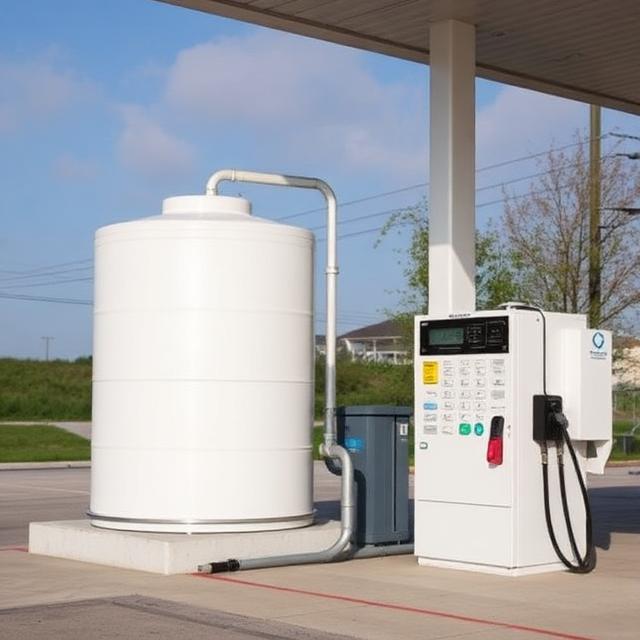
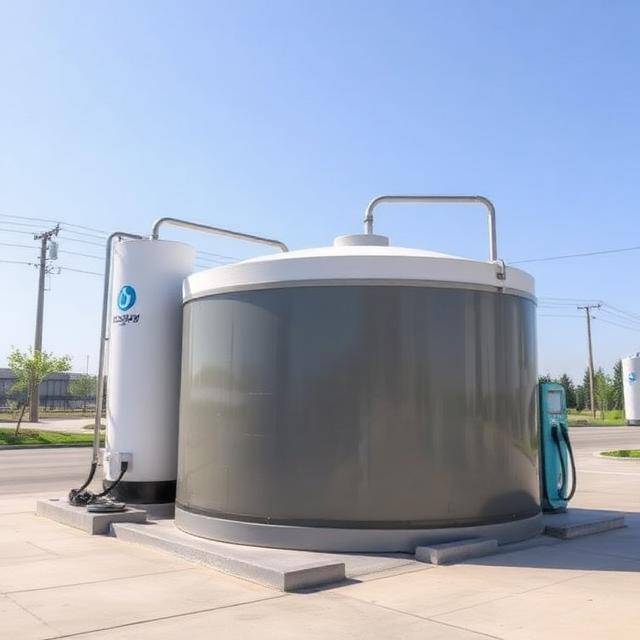
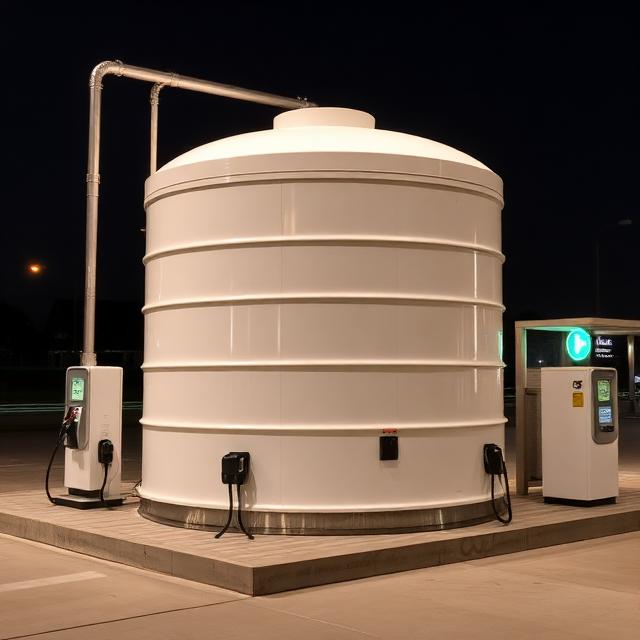
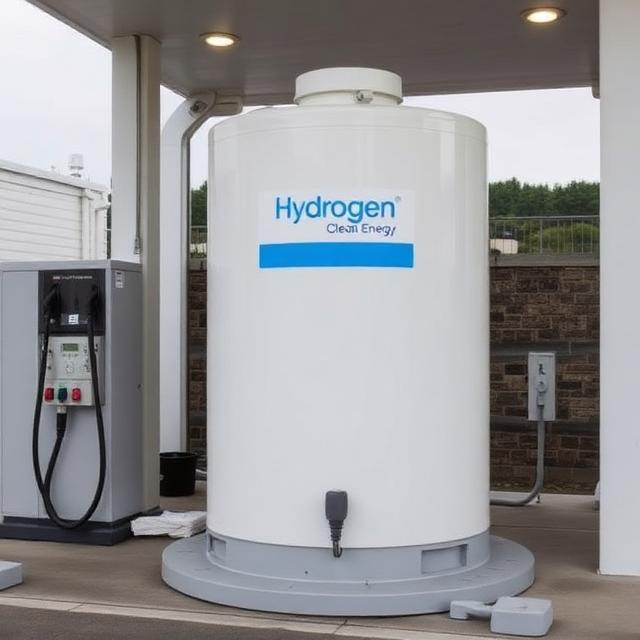
Designed for integration within existing industrial infrastructures, our modular decomposers are capable of producing hydrogen on-demand. This decentralizes the supply chain, reducing transportation costs and infrastructure dependency for investors and partners.
The Advantages of Purple
(Sugar) Hydrogen
0% Emissions
Our enzymatic decomposition process operates without releasing CO2, sulfur, or nitrogen oxides, ensuring a truly sustainable hydrogen production cycle.
100% Efficiency
By converting bio-organic sugars directly into high-purity hydrogen at a molecular level, we achieve energetic yields that surpass traditional electrolysis.
<50°C Operation
The decomposer functions at ambient temperatures, eliminating the need for massive industrial heat inputs and reducing secondary infrastructure costs.
INVESTING IN MOLECULAR PRECISION
HYDROGEN PURPLE IS REDEFINING THE CLEAN ENERGY ECONOMY THROUGH HIGH-YIELD ENZYMATIC PROCESSES. SCALE WITH US AS WE DEPLOY GLOBAL CAPACITY IN 2026.
700M
$200B
300+
TONNES OF SUGAR WASTE NEEDED TO MAKE THE US ENERGY INDEPENDENT
CURRENTLY THE HYDROGEN INDUSTRY'S VALUE
YIELD OF HYDROGEN BY KILOGRAM FROM ONE KILOGRAM OF ENZYMES


INVEST IN INNOVATION
Help us scale the technology that produces purple hydrogen through enzymatic decomposition. We are looking for visionary partners and investors to evolve the global energy landscape.
CONNECT
SCALING ENZYMATIC PURPLE HYDROGEN FOR GLOBAL ENERGY MARKETS
Hydrogen Purple is strategically positioned to disrupt the clean energy economy through enzymatic decomposition. While traditional green and blue hydrogen struggle with high costs and energy-intensive electrolysis, our technology offers a low-temperature, high-yield alternative developed with world-class research from Virginia Tech and Georgia Tech. Founded by Taylor Vogt, a specialist in Environmental Policy and Sustainability, Hydrogen Purple is now moving from theoretical research to industrial-scale application. We are currently seeking a $200,000 seed stage investment to finalize our patent portfolio and execute a high-impact pilot program in Westchester, New York.
This demonstration will serve as a commercial proof-of-concept, fueling specialized fleets and validating our modular deployment model for global licensing and expansion.The strategic advantage of our process lies in its molecular precision. By utilizing enzymes from extremophile microorganisms, we can extract high-purity hydrogen at a consistent 50°C, drastically reducing the CAPEX and OPEX requirements compared to high-heat or high-voltage alternatives. This is not just an incremental improvement; it is a fundamental shift in energy production physics. Calculations from the Virginia Tech research team indicate that 700 million metric tonnes of biomass waste could theoretically substitute the entire annual gasoline consumption of the United States. This represents a massive opportunity to monetize agricultural waste products, such as the three million tons of bagasse produced annually in Louisiana sugar mills. Currently, this waste rots or is incinerated, contributing to methane emissions. Hydrogen Purple converts this liability into high-value hydrogen fuel and solid carbon, creating a carbon-negative industrial cycle.
Our roadmap for 2025-2026 focuses on decentralized production, enabling on-site hydrogen generation for commercial refueling and industrial use. As the mobility sector evolves with new fuel-cell vehicles, Hydrogen Purple provides the necessary infrastructure backbone. Beyond technology, our expansion is projected to generate over 10,000 skilled jobs within the sustainable energy sector, driving economic growth alongside aggressive decarbonization. We invite sophisticated investors to join us in securing the patents and scaling the pilots that will redefine how the world produces its most versatile fuel.
The Honda FCX EV gets 30 miles to the charge, and 270 miles to the full hydrogen tank.
Sugar cane waste, otherwise known as bagasse, could be a very strategic sugar supply for decomposition.